
NIL Didn’t Break College Sports. It Turned the Best Programs Into Professionals.


For years, the loudest criticism of NIL has been simple:
“This is just pay-to-win.”
But that argument misses what’s actually happening on the field.
Because if NIL were only about who spends the most, the results would be predictable. The same programs would win every year. The same recruiting rankings would dictate outcomes. And the gap would widen permanently.
That didn’t happen.
Instead, NIL accelerated something else entirely: professionalization.
And no program illustrates that better than Indiana Hoosiers football — and the unlikely role played by Mark Cuban.

The Misunderstanding About NIL
NIL didn’t suddenly make money important in college sports.
Money was always important.
What NIL did was remove the fiction.
Now that resources are visible — capped, allocated, debated — the advantage has shifted away from who has the most and toward who deploys it best.
That’s the distinction Indiana exploited.
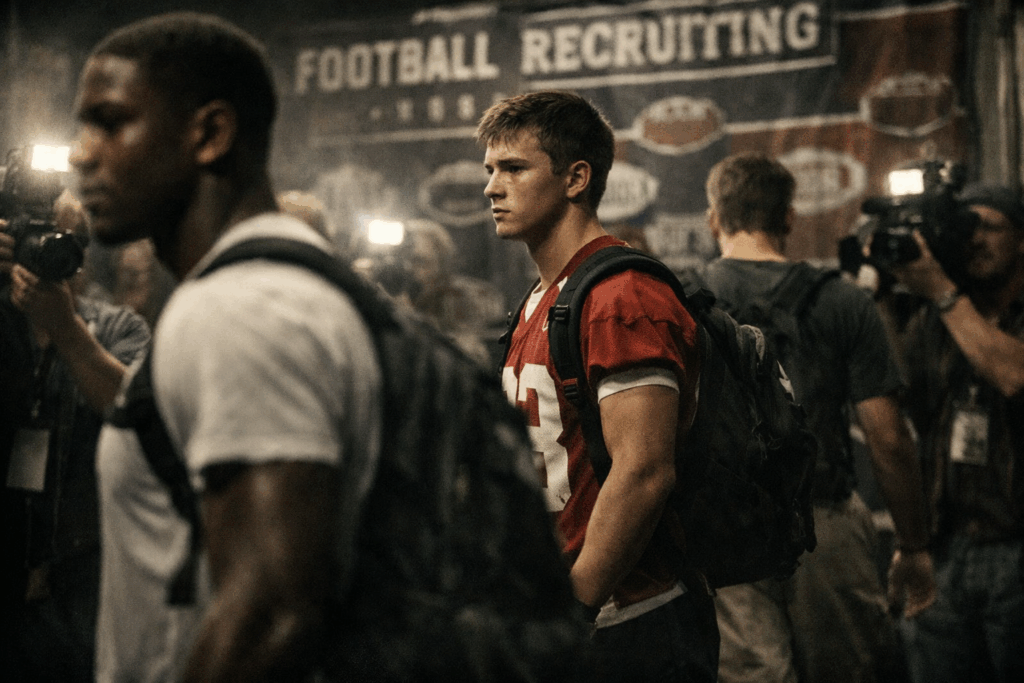
Indiana Didn’t Chase Stars. They Built a Roster.
Indiana’s championship season surprised people for one reason:
It didn’t look like a “championship roster” on paper.
- No roster stacked with consensus five-star recruits
- No headline-grabbing NIL deals dominating the offseason narrative
- No arms-race messaging about “outspending the field”
Instead, Indiana did something far more modern — and far more dangerous.
They built a team the way professional franchises do.
What Indiana Did Differently (And Why It Worked)
1. They Valued Fit Over Hype
Rather than paying premiums for recruiting prestige, Indiana focused on:
- System compatibility
- Immediate contribution
- Role clarity
In pro sports, this is obvious.
You don’t pay a max contract to a player who duplicates an existing strength.
Indiana applied that logic to NIL:
Spend where skill sets unlock the system, not where rankings inflate the price.
2. They Allocated, Not Accumulated
Indiana treated NIL resources like a budget, not a trophy.
Instead of concentrating spend at the top of the roster:
- Resources were distributed across positions of leverage
- Depth mattered as much as stars
- Redundancy was avoided
That’s portfolio construction — not booster behavior.

3. They Minimized Volatility
Star-chasing creates fragility:
- One injury
- One transfer
- One mis-evaluated recruit
Indiana’s approach reduced variance.
- Fewer single points of failure
- More interchangeable contributors
- Greater resilience across a long season
That’s how professional teams survive.
Mark Cuban’s Role Wasn’t the Money — It Was the Mindset
Mark Cuban’s involvement became a headline because it was easy to misunderstand.
But Cuban didn’t show up trying to “buy” a title.
He showed up thinking like an owner under a cap.
His public comments consistently framed NIL in terms of:
- Marginal value
- Cost discipline
- Strategic allocation
- Avoiding bad contracts
In other words: front-office logic.
The most important thing Cuban brought wasn’t dollars — it was restraint.
NIL as a Competitive Equalizer (If You’re Smart)
Indiana’s season exposed a truth many programs don’t want to admit:
When spending is capped, decision quality becomes the advantage.
- Overpaying hurts more
- Mistakes compound faster
- Reputation doesn’t protect you from inefficiency
NIL didn’t flatten competition — it raised the bar.
Programs that succeed now:
- Scout better
- Develop clearer schemes
- Understand opportunity cost
- Treat athletes like assets and people
That’s professional sports.
The Bigger Shift NIL Has Created
Indiana didn’t just win a championship.
They demonstrated the future of college athletics:
- Less booster mythology
- More roster architecture
- Less recruiting theater
- More operational clarity
The winners won’t be the loudest spenders.
They’ll be the best builders.
The Takeaway
NIL didn’t ruin college sports.
It removed excuses.
It revealed which programs:
- Know who they are
- Know what they need
- Know when not to spend
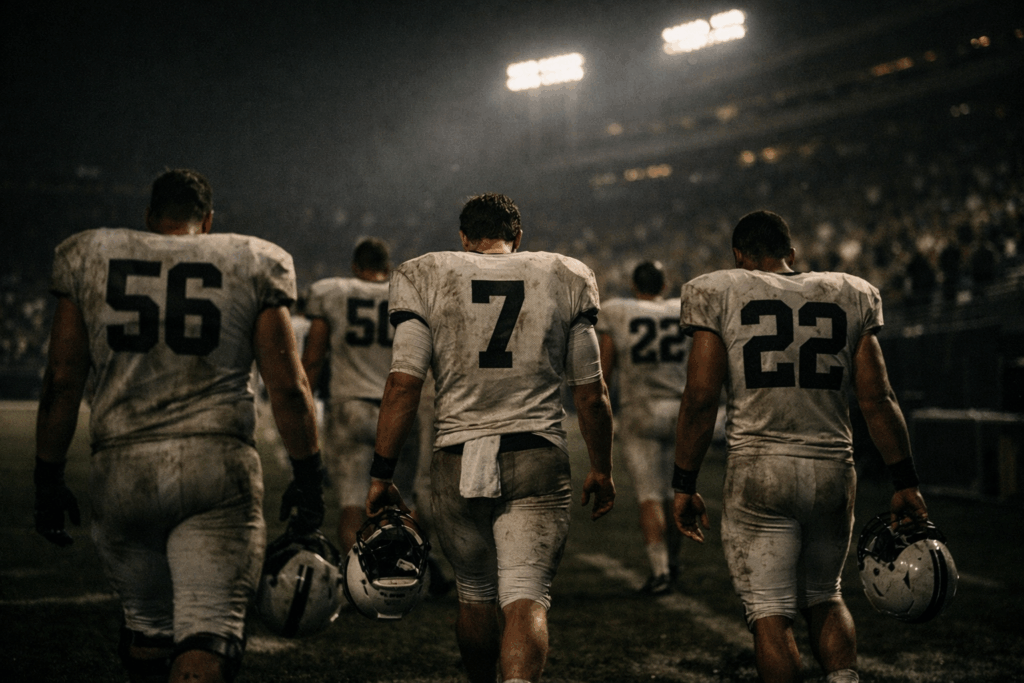
Indiana proved that championships aren’t bought.
They’re constructed.
And that might be the most professional evolution college sports has ever seen.